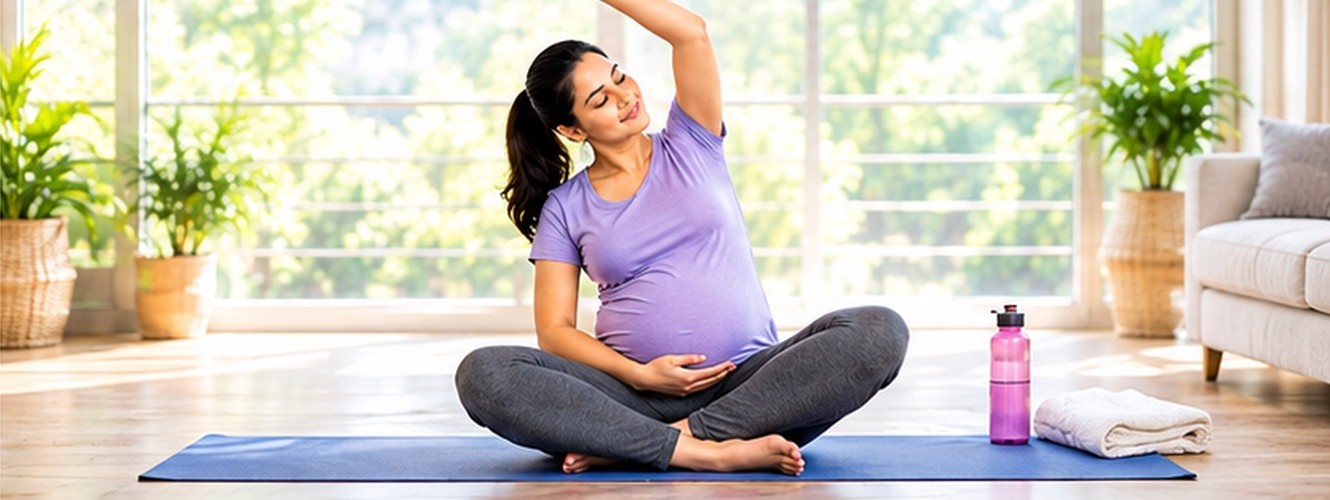
Staying active during pregnancy can be very beneficial for both you and your baby. For most women with a healthy, uncomplicated pregnancy, regular, moderate exercise is safe and encouraged.
The key is to choose the right activities, listen to your body and check with your doctor before you begin.
Benefits of Exercise During Pregnancy
Regular, gentle activity can:
- Boost your energy and improve your mood
- Help you sleep better
- Ease common discomforts such as backache, constipation and swelling
- Support healthy weight gain
- Build stamina and strength that may help during labour and recovery
- Help reduce the risk of gestational diabetes and high blood pressure in pregnancy
Talk to Your Doctor First
Before starting or continuing any exercise routine, speak to your doctor. Some conditions, such as certain heart or lung conditions, placenta previa, a history of preterm labour, a weak cervix or high blood pressure in pregnancy, may mean that exercise needs to be modified or limited. Your doctor can advise what is right for you.
Safe Activities to Consider
If your doctor has given you the green light, these activities are generally considered safe for most pregnant women:
- Walking: an easy, low-impact activity you can do almost anywhere
- Swimming and water aerobics: the water supports your weight and helps you stay cool
- Prenatal yoga and stretching: helpful for flexibility, posture and relaxation
- Stationary cycling: a stable way to maintain fitness
- Light strength training: with proper guidance and lighter weights
- Pelvic floor exercises: to strengthen the muscles that support your growing baby
How Much and How Hard?
For women with a healthy pregnancy, about 150 minutes of moderate activity a week, spread over several days, is generally recommended. If you were not active before pregnancy, begin slowly with short sessions and increase gradually.
A helpful guide is the “talk test”: you should be able to hold a conversation while you exercise. If you are too breathless to talk, slow down.
Activities to Avoid
Some activities carry a higher risk of injury, falls or overheating, and are best avoided during pregnancy:
- Contact sports such as football, basketball or martial arts
- Activities with a high risk of falling, such as horse riding, skiing or gymnastics
- Scuba diving
- Hot yoga, or exercising in very hot or humid conditions
- Heavy lifting, or exercises that involve straining or holding your breath
- Exercises that need you to lie flat on your back for long periods in later pregnancy, especially if it makes you dizzy or unwell
Stay Safe While You Exercise
As your bump grows, your centre of gravity shifts, which can affect your balance. A few simple precautions can help you exercise safely:
- Drink plenty of water before, during and after exercise
- Wear comfortable, supportive clothing and footwear
- Warm up and cool down gently
- Exercise in a cool, well-ventilated place and avoid overheating
- Eat a small snack beforehand if you tend to feel lightheaded
- Get up slowly after floor exercises to avoid dizziness
Warning Signs: Stop and Seek Medical Advice
Stop exercising and contact your doctor if you experience:
- Vaginal bleeding or leaking of fluid
- Dizziness, faintness or a severe headache
- Chest pain or unusual shortness of breath
- Regular, painful contractions
- Calf pain, swelling or redness
- Reduced baby movements
Trust your instincts. If something does not feel right, stop and get medical advice.
Final Thoughts
Staying active during pregnancy is about feeling strong and healthy, not about pushing your limits. Choose activities you enjoy, listen to your body, and stay in touch with your doctor throughout your pregnancy.